Entry · Ref JPUVHIRZ
Garage Door Accessories Parker: Features Worth Investing In
- Posted
- 2026-10-12
- Last amended
- 2026-10-12
- Account
- @reidpjyt820
A garage door is easy to ignore until it starts making noise at 6:15 in the morning, refuses to close during a windstorm, or leaves your tools and bikes one power outage away from being trapped inside. Most homeowners focus on the door panels and the opener, which makes sense. Those are the visible, expensive pieces. But the accessories around the system often determine how convenient, secure, and durable the whole setup feels after a few years of use.
That matters in a place like Parker, where homes often rely heavily on the garage as a main entry point, a storage zone, and sometimes a workshop. Add dust, sun exposure, seasonal temperature swings, and the occasional storm rolling through, and the small upgrades start to carry more weight. When people ask which add-ons are actually worth paying for, the answer is rarely "everything the sales brochure lists." A few accessories provide daily value. A few protect the door and opener from wear. Others sound impressive but do very little once the novelty wears off.
The smart approach is to invest where the benefit is tangible: better safety, better reliability, stronger security, easier access, and less maintenance. Those are the features that keep proving their value long after installation day.
The accessories that change daily life
The best garage door accessories are not always the flashiest. Usually, they solve a specific annoyance you deal with several times a week. If an upgrade saves time, reduces hassle, or prevents a service call, it earns its keep.
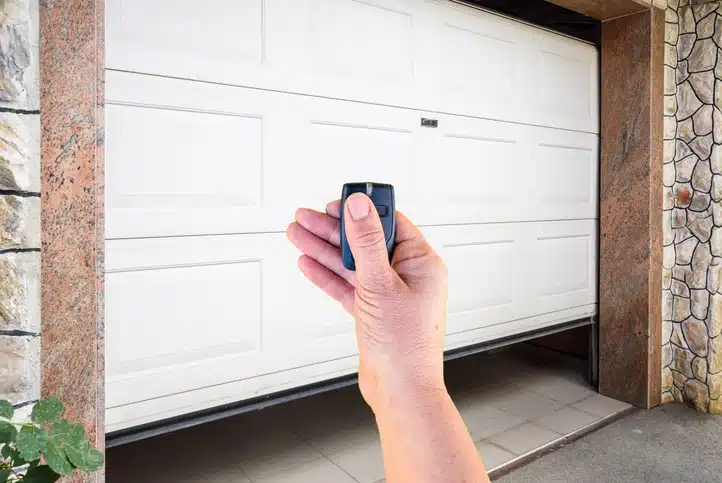
A wireless keypad is one of the simplest examples. On paper, it looks minor. In practice, it is one of the most useful additions you can make. Families with kids, dog walkers, house sitters, or contractors quickly discover how often someone needs entry without a full remote or house key. A keypad eliminates that handoff problem. It also helps when you step outside for a walk and realize the front door is locked behind you. A good keypad with backlit numbers and weather resistance is worth choosing over the bargain version.
Additional remotes are another accessory people often underbuy. One remote in the primary vehicle sounds fine until schedules overlap, someone borrows a car, or a second driver starts parking outside because the opener is no longer convenient. In real homes, one remote per regular driver is a practical baseline, not a luxury.
Smartphone control also falls into the category of "you may not care until you have it." It is less about novelty than about accountability. You can check whether the garage door is open after leaving the house, close it remotely for a teenager who forgot, or get alerts if the door opens during work hours. That kind of visibility reduces the nagging uncertainty many homeowners live with. It is especially useful if the garage is the main access point to the home, which is common in many suburban layouts.
Still, not every smart feature is equally valuable. Garage Door Accessories Parker A system that lets you open and close the door from your phone is useful. A system that floods you with unnecessary notifications or requires constant app troubleshooting is not. Reliability beats sophistication every time.
Security upgrades that are actually worth the money
Garage security is often underestimated. People install strong front-door locks and camera doorbells, then leave the garage as the softer target. If the garage connects directly to the house, that gap matters.
The most worthwhile security upgrades tend to work quietly in the background. Rolling code technology is near the top Garage Door Accessories Parker Select Garage Doors of that list. Older fixed-code remotes are more vulnerable than many homeowners realize. A modern opener and compatible remotes that generate a new access code each cycle offer a meaningful improvement. It is not exciting, but it is foundational.
A motion-detecting garage light is another strong investment, especially for detached garages or side-facing garages where activity is less visible from the street. Good lighting discourages casual tampering and makes normal use safer when you get home after dark. There is a real difference between a dim bulb that flickers on after a delay and a properly placed LED fixture that lights the area immediately and clearly.
For households that store expensive tools, bikes, outdoor gear, or seasonal equipment in the garage, an interior slide lock or vacation lock can also make sense. This is not something every homeowner uses daily, but for extended travel it adds a valuable layer. When paired with smart alerts, it creates a more deliberate security routine.
A camera inside or just outside the garage can be worthwhile too, though this is where judgment matters. Cameras are useful for confirming whether the door opened, how long it stayed open, or whether package drop-offs reached the garage area. But they should complement solid hardware, not replace it. A camera records a problem. It does not stop one.
Backup power becomes more valuable than people expect
Battery backup used to be treated as an optional feature many homeowners skipped. That has changed for good reason. If the garage is your most-used entrance, losing access during an outage quickly becomes more than an inconvenience.
In some homes, manual release is simple enough. In others, especially when the garage door is large, heavy, or the primary access point, battery backup becomes the difference between normal function and a genuine headache. Older homeowners often appreciate this feature once they have had to wrestle with a heavy disconnected door in bad weather. Families with small children appreciate it when routines do not grind to a halt during a short outage.
Battery backup is not glamorous, but it is one of the easiest accessories to justify. Even limited-cycle backup is usually enough to get cars in and out, secure the house, and avoid the scramble that happens when power fails at the wrong time. If you are comparing opener systems, this is one upgrade I would not dismiss lightly.
The case for upgraded safety sensors
Photo-eye safety sensors are standard, but sensor quality and placement still matter. In many service calls, the issue is not a failed opener at all. It is misaligned, dirty, sun-glared, or marginal sensors creating intermittent problems. The homeowner experiences a door that starts down and reverses for no obvious reason, or one that closes only when the wall button is held.
That is why better sensor housings, proper mounting brackets, and clean wiring work are worth caring about. If the garage faces strong afternoon sun, sensor placement can become more important than the average buyer realizes. A technician who understands how glare affects certain setups can save you years of frustration. This is one of those details that rarely makes it into a showroom conversation, but it can have a bigger daily impact than a long list of cosmetic upgrades.
For families with pets and children, dependable sensors are non-negotiable. Safety gear is only valuable when it works consistently, not only under perfect conditions.
Weather sealing is not glamorous, but it pays off
If your garage feels dusty, drafty, or damp around the edges, new seals may deliver more value than a fancier remote ever will. Bottom seals, perimeter weatherstripping, and threshold seals all play different roles, and each one can help if chosen for the actual conditions.
In Parker and similar Front Range environments, wind-driven dust and dry air can work their way into a garage more than people expect. A worn bottom seal leaves a visible gap at the floor. Side and top seals can stiffen, crack, or flatten over time. The result is not just dirt on the floor. It can mean water intrusion during storms, pest entry, and added strain on temperature control if the garage shares walls with finished living space.
Threshold seals deserve particular mention for garages with slight slope issues or uneven concrete. They are not the answer for major drainage problems, but they can do a surprisingly good job of reducing water seepage under the door during heavy rain. In practical terms, that can be the difference between a dry storage area and soaked cardboard boxes.
For attached garages, upgraded sealing also improves comfort in adjacent rooms. You may not be heating and cooling the garage itself, but reducing air leakage still helps stabilize the areas next to it.
Quiet operation is a feature, not a luxury
Many people do not think about noise until they live with a garage under a bedroom, beside a nursery, or adjacent to a home office. Then it becomes the first thing they notice.
A belt-drive opener is often the biggest step toward quieter performance, but several accessories help too. Nylon rollers, vibration isolators, and proper rail support can make a dramatic difference in how the system sounds. In some older doors, replacing worn steel rollers with quality nylon rollers changes the character of the door entirely. The grinding, rattling note softens into a smoother, lower sound.
This is one of those upgrades homeowners immediately feel. One client once described it perfectly after a roller and opener upgrade: "The door used to announce itself. Now it just works." That is the right benchmark. A garage door should not become the loudest machine in the house.
Quiet hardware also tends to signal something else, less wear. When a system is running smoothly, with less chatter and vibration, components are usually under less stress. That does not eliminate maintenance, but it often improves long-term durability.
Keyless access and smart control, where convenience meets risk
There is a tendency to lump all modern access features into one category, but they are not all equal in value or risk. Some are straightforward and dependable. Others introduce complexity that can become a nuisance.
These are the smart-access features most often worth considering:
- Wireless keypads with temporary code capability
- Smartphone open and close control with status alerts
- Guest access scheduling for service providers or deliveries
- Auto-close settings with caution and proper safety checks
- Activity logs that show when the door was used
Temporary codes are especially useful for recurring but limited access. If a cleaner, pet sitter, or landscape crew occasionally needs garage entry, giving them a time-limited code is safer than passing around a remote that may never be returned. Activity logs also have quiet value. They settle arguments, answer the "Did anyone close the garage?" Question, and give you a record if something seems off.
Auto-close settings deserve a more cautious note. Some homeowners love them. Others should avoid them. If there is frequent foot traffic, kids going in and out, or a habit of working in the garage with the door open, auto-close can become irritating or even risky if people grow too dependent on it. Used thoughtfully, it is helpful. Used carelessly, it can create a false sense of security.
Reinforcement hardware for wind and door longevity
Not every accessory is about convenience. Some are about preserving the door itself. Reinforcement struts, upgraded hinges, and heavy-duty brackets can be a smart investment, especially for larger double-wide doors or doors that already show signs of flexing.
A garage door panel is under more stress than many people realize. Every open and close cycle transfers force through hinges, rollers, tracks, and the opener connection point. Over time, the top section in particular can fatigue, especially if the opener arm pulls against a lightly built panel. An opener reinforcement bracket is a relatively modest upgrade that can help distribute that load more effectively.
This matters even more if the door is insulated, oversized, or exposed to regular wind pressure. It also matters if you have upgraded to a more powerful opener. Stronger opener performance is good, but only if the door structure can handle that force without premature wear.
Homeowners sometimes assume reinforcement hardware is only for damaged doors. In reality, it is often most valuable before damage develops.
Better lighting inside the garage changes how the space functions
Garages have shifted far beyond vehicle storage. They now serve as home gyms, hobby spaces, workshop areas, and overflow storage rooms. That makes lighting a more serious accessory than it used to be.
Factory opener lights are often not enough. They illuminate the center lane but leave corners dim, shelves shadowed, and work areas underlit. Supplemental LED lighting, especially motion-activated or wall-mounted systems, can transform how usable the garage feels. This is not only about convenience. Better light reduces trip hazards, helps you spot worn springs or frayed cables earlier, and makes routine tasks easier.
If you have ever tried to sort hardware bins, find a missing soccer cleat, or inspect the bottom seal of a door under weak yellow lighting, you know how quickly a poor lighting setup becomes frustrating. Crisp, bright LED fixtures are inexpensive compared with many garage upgrades, and the quality-of-life improvement is immediate.
Ventilation and environmental control for specialty garages
Most garages do not need elaborate environmental systems. But some do benefit from a few strategic accessories. If the garage doubles as a workshop, home gym, or storage space for temperature-sensitive materials, ventilation upgrades may be worthwhile.
A simple exhaust fan, insulated door, and improved weather sealing can make a noticeable difference. So can high-lift storage accessories that keep clutter off the floor and allow better airflow around the perimeter. If your use case is basic parking and storage, this may be unnecessary. If you spend hours in the garage working on projects, it starts to make sense quickly.
This is where homeowners often overspend on the wrong feature. They buy a gadget and ignore the basics. In practice, a well-sealed door, decent insulation, and better lighting usually outperform a flashy accessory package.
What tends to be worth it, and what usually is not
There is no universal shopping list for Garage Door Accessories Parker homeowners should buy. The right mix depends on how the garage is used, how old the current system is, and whether the biggest pain point is noise, security, access, or weather intrusion. Still, patterns show up again and again.
The accessories that tend to justify their price share a few traits. They reduce recurring frustration. They improve safety or security in a concrete way. They integrate cleanly with the existing system. And they do not require constant attention to remain useful.
By contrast, accessories often disappoint when they are overly specialized, poorly matched to the opener, or sold as luxury upgrades without addressing basic mechanical health. A garage with tired rollers, out-of-balance springs, and poor sealing will not feel "premium" just because it has an app.
That is why I usually recommend evaluating the door as a system. If the foundation is solid, accessories can make it far better. If the foundation is neglected, start there first.
A practical way to prioritize your budget
If you are deciding where to spend money, it helps to rank accessories by the problem they solve rather than by how advanced they sound. Here is a sensible order for most homes:
- Safety and core reliability, sensors, reinforcement, battery backup
- Security, rolling-code remotes, keypads, lighting, locks
- Comfort and durability, seals, quieter rollers, vibration reduction
- Convenience, smartphone control, guest access, extra remotes
- Specialty use upgrades, ventilation, workspace lighting, storage integration
That order is not rigid, but it reflects what usually matters in day-to-day ownership. If the door does not close dependably or cannot be operated during an outage, smart access features are secondary. If the garage is secure but unbearably loud, quiet hardware moves up the list. If weather is the issue, sealing may outrank everything else.
A homeowner with an attached garage under a bedroom may feel the greatest return from nylon rollers and a belt-drive opener. A homeowner who travels often may value smart monitoring and vacation lock features most. A family with teenagers coming and going may get the most practical benefit from a keypad and activity alerts.
The point is to buy based on friction, not marketing.
Installation quality matters as much as the accessory itself
A premium accessory installed poorly will underperform every time. This is especially true with sensors, smart modules, weather seals, and reinforcement hardware. Alignment, wiring protection, mounting location, and calibration all matter.
I have seen high-end keypads mounted where they take direct weather exposure they did not need to take. I have seen bottom seals replaced without addressing the floor gap that caused the failure pattern in the first place. I have seen smart systems installed on unstable Wi-Fi, leaving the homeowner with a feature that worked beautifully for one week and inconsistently for the next six months.
A good installer does more than attach the part. They look at the actual use of the garage, the condition of the opener, the alignment of the tracks, and the stress points on the door. They ask whether the garage is the main entrance, whether children use it, whether there is a bedroom above it, whether outages are common, and whether the space stores valuable equipment. That context determines whether an accessory becomes genuinely useful or just another item on a receipt.
The upgrades homeowners appreciate years later
The accessories people praise right away are usually the obvious ones, the keypad, the app, the brighter lights. The accessories they still appreciate years later are often the quieter, less visible ones. Reliable sensors. Good seals. A backup battery that worked during a storm. Reinforcement that prevented panel damage. Rollers that kept the system smooth and quiet.
That is the real test for Garage Door Accessories Parker homeowners should invest in. Not whether the feature looks impressive in a product catalog, but whether it improves ownership after thousands of open-and-close cycles.
If you focus on security, access, weather resistance, quiet operation, and backup power, you will cover most of the upgrades that consistently deliver value. Start with the problems you notice weekly. Fix the friction points first. A garage door should feel dependable, secure, and easy to live with. The right accessories make that happen, and the wrong ones rarely do.
Select Garage Doors
11479 Pine Dr
Parker, CO 80134, United States
Phone: (303) 228-0018
FAQ About Garage Door Accessories Parker
Where can I find garage door accessories?
Garage door accessories are available from garage door service companies, authorized dealers, home improvement stores, and specialist suppliers. Select Garage Doors supplies and installs accessories for homeowners in Parker, including compatible remotes, wireless keypads, weather seals, and smart controls. Check your opener model and door specifications before choosing a replacement or upgrade.
How to make a garage door more attractive?
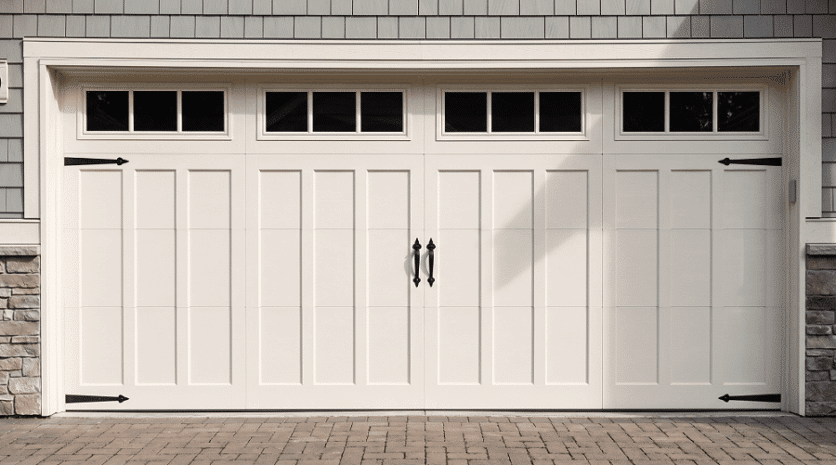
Cleaning the door, refreshing a manufacturer-approved finish, and choosing coordinated decorative handles or hinge accents can improve its appearance. Compatible window inserts may also change the look of an existing window section. Match accessories to the door material and style, and make sure added hardware does not interfere with movement, seals, or safety equipment.
Where can I buy garage door inserts?
Decorative window inserts can be sourced through the door manufacturer, an authorized garage door dealer, or a supplier that carries parts for your specific door series. Match the model, window frame dimensions, and attachment system; inserts are not universally interchangeable. Ask a professional to confirm compatibility before ordering, especially if the work involves glass or changes to a door section.